Business Name: BeeHive Homes of St George Snow Canyon
Address: 1542 W 1170 N, St. George, UT 84770
Phone: (435) 525-2183
BeeHive Homes of St George Snow Canyon
Located across the street from our Memory Care home, this level one facility is licensed for 13 residents. The more active residents enjoy the fact that the home is located near one of the popular community walking trails and is just a half block from a community park. The charming and cozy decor provide a homelike environment and there is usually something good cooking in the kitchen.
1542 W 1170 N, St. George, UT 84770
Business Hours
Monday thru Saturday: 9:00am to 5:00pm
Facebook: https://www.facebook.com/Beehivehomessnowcanyon/
Families hardly ever start their search for dementia care from a location of calm. By the time somebody types "memory care near me" or "little assisted living home" into a search bar, they are typically tired, stressed, and bring months or years of quiet crisis.
In that minute, the senior care landscape looks like a maze: large assisted living communities with shiny sales brochures, nursing homes that feel too medical, adult day programs that cover only part of the day, and something that many people have actually not heard much about: little residential care homes.
These little homes go by different names depending on the state or country. You might see terms like residential care, board and care, adult family home, or little assisted living. Whatever the label, the concept is easy. Instead of a hundred homeowners in a large building, you may have six to twelve older adults residing in a house on a residential street.
For individuals dealing with dementia, those small homes can silently change everything.
Why small senior care homes matter for dementia
Dementia reshapes not just memory, however how an individual experiences space, noise, light, and social interaction. Big, hectic environments that feel "dynamic" to a healthy adult can feel confusing or perhaps frightening to somebody with cognitive changes.
In my deal with families and suppliers, I have actually seen the very same pattern repeat. A person does badly in a large assisted living facility or traditional memory care unit, then stabilizes or perhaps improves after relocating to a smaller sized home with fewer residents and more consistent caretakers. The diagnosis did not alter. The medications did not change. The environment did.
Large neighborhoods have strengths, consisting of more facilities and sometimes simpler access to on-site medical services. Yet when the goal is genuinely customized dementia care, small homes often have structural benefits that are hard to replicate at scale.
How small homes alter the experience of memory care
Imagine 2 various mornings.
In a big memory care community, one caregiver may be accountable for eight, 10, often more locals during the early morning rush. Personnel strive, but there is a clock ticking in the background. Breakfast must be served, medications passed, showers offered. Individuals wait.
In a small senior care home, the caregiver-to-resident ratio is typically more detailed to one team member for each 3 or four locals, often even much better throughout peak times. The early morning can flex with the locals. Someone can sleep a bit longer. Another can take more time in the bathroom without a line forming outside the door.
This difference plays out throughout the entire day.
Smaller memory care homes tend to:
- Reduce overstimulation by restricting noise, crowding, and constant traffic in hallways. Create familiar, foreseeable regimens around meals, activities, and rest. Allow personnel to find out each resident's personal history, triggers, and comforts in information. Make it much easier to spot small modifications in behavior, mood, or movement. Support much safer roaming or pacing, because personnel can see and hear more of what is happening.
None of this is magic. It is simply the outcome of scale. With less citizens, every employee has a clearer photo of who is where and what they need.
The human side of "staff ratios"
Families frequently no in on staffing numbers, and for good factor. However by themselves, numbers can deceive. Two communities can advertise the very same ratio and deal totally different experiences.
In a small senior care home, a caretaker might invest months or years with the exact same 10 residents. They find out that Mrs. L gets nervous in the late afternoon and requires a quiet location, that Mr. B eats much better if his food is cut a certain method, that a particular tune soothes somebody during individual care.
Over time, that understanding becomes as important as any official dementia training. It permits personnel to avoid problems instead of simply responding to them. They can see the difference in between "he is having a difficult day" and "something is medically wrong."
In a larger assisted living or memory care setting, staff turnover and rotating assignments can make it more difficult to maintain this depth of familiarity. Lots of big neighborhoods work hard to develop steady teams, and some succeed, but the large size of the operation increases intricacy. More citizens, more shifts, more possibility that somebody who understands a person well is not on responsibility when needed most.
Small homes are not immune to turnover or burnout, yet the better everyday contact between personnel and residents often sustains a stronger sense of shared accessory. Caregivers are not just appointed a hallway; they become part of a household.
Home-like environments, not just home-like decor
Marketing materials frequently reveal fireplaces, sofas, and pleasant art. A more important test is this: how much of daily life in the structure feels like real home life instead of a hotel or a hospital?
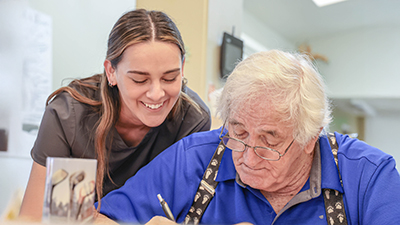
In small dementia care homes, the kitchen area normally sits at the center of things. Locals can sit nearby while meals are prepared, odor coffee developing, hear regular household noise. Staff can observe who drifts toward the cooking area at what time, who is drawn to specific tasks, who appears sleepy or withdrawn.
For someone with dementia, sensory anchors like smell and routine are effective. Even if an individual can not remember what they had for breakfast, they may recognize the sound of eggs sizzling or the clink of plates, and that recognition develops a sense of safety.
The physical layout of a small home also makes it much easier to support purposeful roaming. In a big neighborhood, long corridors and many doors can puzzle somebody with memory loss. In a small home, courses tend to be much shorter, and personnel can see or hear a resident more quickly. Some homes are particularly created so that an individual can walk a loop through shared areas and return to where they began without dead ends or locked barriers in every direction.
When I have toured small homes that do dementia care well, a few information typically stand out:
Residents' personal products show up and used, not just scheduled show.
Noise levels are low to moderate, without any consistent overhead announcements. Staff talk to homeowners by name and describe their individual histories in conversation. The tv is not the default background but turned on purposefully.These are little things, however together they change the emotional climate.
Behavior "issues" and the result of scale
Families are typically informed that behavior issues just feature dementia. That is only partially true. Many habits are efforts to interact distress, confusion, dullness, or physical discomfort.
In a crowded, noisy environment, it is easy to misread or miss out on those signals. A person who yells might get identified as aggressive, when they are really responding to overstimulation or fear. Someone who punches or kicks throughout bathing might be attempting to protect themselves from what they view as a threat.
Smaller senior care homes that concentrate on dementia care have more breathing room to:
Pause instead of restrain when a resident withstands care.
Change the environment, such as dimming lights or transferring to a quieter room. Utilize more personalized techniques, like favorite music or a familiar phrase, to redirect. Watch for patterns. Possibly the agitation constantly appears an hour before supper because of hunger, or only at night due to without treatment sleep apnea.None of these strategies need advanced innovation. They need time, listening, and connection, all of which scale more easily in a smaller sized setting.
Medication use is another area where small homes can make a difference. Antipsychotics and other sedating drugs in some cases assist handle severe behavioral signs, but they likewise bring major threats for older adults with dementia. In environments where nonpharmacologic approaches are possible and regularly utilized, there is frequently less pressure to medicate away behavior.
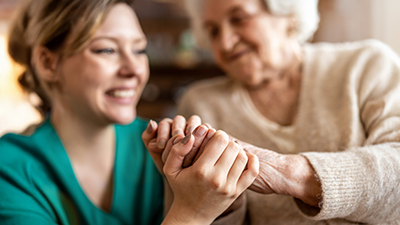
I have seen citizens move from a large center, arrive on a number of psychiatric medications, then have cautious evaluations with their physician and Beehive Homes of St George - Snow Canyon senior care steady dosage reductions once they remain in a calmer, more foreseeable setting. Not every person can lower medications securely, however smaller homes typically develop the conditions where that discussion is realistic.
Assisted living, memory care, and the gray zones
The labels used in senior care can be complicated. Assisted living usually indicates help with day-to-day tasks like dressing, bathing, and medication tips, however not 24-hour experienced nursing. Memory care describes services customized to people with dementia, often in a protected area with specialized programming and staff training.
Small residential care homes often run under assisted living guidelines, but serve mainly as memory care in practice. Others freely market themselves as dementia care homes. The regulative structure differs by state or nation, which matters for what they can lawfully provide.
This gray zone produces both opportunities and risks.
On the positive side, little homes can combine the flexibility of assisted living with the structure of memory care. They can offer support for individuals across a variety of dementia stages, from early trouble with complex tasks to advanced requirements such as full assistance with personal care.
The risk is that some homes may accept homeowners whose requirements surpass what is really safe in a small, non-medical setting. Households need to ask comprehensive concerns about:
Assessment requirements before move-in.
Personnel training in dementia care and in handling medical emergencies. Policies about citizens who end up being bedbound, establish advanced behavioral signs, or need two-person transfers. Plans for going to nurses, hospice, or other outdoors providers.Done well, the small-home model permits lots of people with dementia to prevent disruptive moves to nursing homes. Done carelessly, it can extend staff beyond their abilities and compromise safety.
The role of respite care in small homes
Respite care is short-term senior care that gives family caretakers a break. It can last a couple of days to a couple of weeks. Numerous small assisted living or memory care homes use respite stays when they have an open room.
For dementia, respite in a small home can be particularly important. A large structure can feel overwhelming for a quick stay, simply when the person with dementia is attempting to adjust to an unknown environment. In a small home, there are less new faces and less sensory overload.
From the staff side, it is much easier to incorporate a respite resident into household routines. Caretakers can invest more one-on-one time finding out that individual's patterns and choices, which lowers the danger of distress habits that in some cases lead households to state "respite simply does not work for us."
I frequently motivate family caretakers who are hesitant about respite to think of it as training for both sides. The person with dementia learns that others can help them. The caretaker finds out that it is possible to hand over obligation without disaster. A small, steady home environment makes both lessons easier.
Cost, value, and trade-offs
Small senior care homes are not automatically less expensive or more costly than large neighborhoods. Prices vary with region, staffing levels, and how much care is consisted of in the base rate.
What does tend to differ is how the worth shows up.
Large assisted living or memory care facilities typically highlight features: theater rooms, numerous dining places, fitness centers, regular outings. These can be fantastic for locals who still take pleasure in and can take part in those activities.
Small homes hardly ever contend on amenities. Their "extras" are most likely to be intangible: quieter nights, staff who understand your mother's favorite breakfast, flexibility to adjust care without waiting on a committee decision.
There are trade-offs. A socially outgoing individual with early-stage dementia may flourish better in a large community with many peers and structured group activities. Somebody who quickly ends up being overloaded in crowds may feel more secure and more content in a small home.
The choice is not only about money or square video. It has to do with fit. That fit depends upon personality, phase of dementia, medical complexity, and family expectations.
If you are comparing options, it helps to visit in person at various times of day. See a meal, listen during a shift modification, see how personnel respond when something unexpected occurs. The reality on the ground is more important than any brochure.
When small is not the very best choice
It is appealing to glamorize small homes as always superior. Truth is more complicated. There are situations where a big neighborhood or nursing center is the better fit.
For example, somebody with extremely intricate medical requirements may need on-site signed up nurses 24 hours a day, specialized rehabilitation equipment, or fast access to doctors that a small home can not provide. A resident who is physically very strong and persistently aggressive may be hazardous in a home with just one or 2 staff on task overnight.
Small homes also depend greatly on their management. A strong owner or administrator who understands dementia, supports personnel, and preserves clear boundaries about whom they can safely serve can develop an extraordinary environment. An inadequately run small home, on the other hand, can feel isolating, understaffed, and unreceptive to household concerns.
Red flags consist of:
Consistently strong odors of urine or feces, not just at separated moments.
Locals sitting for extended periods without interaction or supervision. Personnel who seem hurried, curt, or not familiar with locals' basic histories. Vague answers when you ask about staff training, turnover, or how they handle falls and medical emergencies.Size alone does not ensure quality, but it forms what is possible. In a small home, problems are harder to conceal, which is a combined true blessing. Families may discover concerns quicker, however they also need to be prepared to speak up early and typically if something feels off.
What to look for when visiting a little dementia care home
A structured visit helps cut through first impressions. Beyond the basic questions about licenses and expenses, concentrate on how the home actually supports dementia care.
Here is a concise checklist you can bring to a tour:
- Ask the number of locals have dementia and how advanced their conditions are. Attempt to match your loved one's needs to the present population. Observe how staff speak with residents. Are they considerate, client, and warm, or hurried and task-focused. Explore the physical space. Look for clear sight lines, minimal mess, and simple paths between bedroom, bathroom, and typical locations. Ask about night staffing. Who is awake overnight, and the number of locals are they responsible for. Discuss medical coordination. How do they deal with hospitalizations, physician visits, brand-new symptoms, and hospice referrals.
After the tour, take note of how you feel. Numerous relative describe a "gut sense" that the home either fits or does not. That sensation is not whatever, but it deserves a place in your decision.
Partnering with staff for much better dementia care
Moving a loved one into any kind of senior care, whether assisted living, memory care, or a little residential home, is not completion of household participation. It shifts the role from direct caretaker to advocate and collaborator.
Small homes offer a natural platform for this kind of collaboration. The scale makes it simpler to know the administrator by name, to see the exact same caregivers on each visit, and to have genuine conversations about what is working and what is not.
Families can enhance that collaboration by:
Sharing in-depth biography details, not simply medical records. Hobbies, work background, family customs, and fears all matter.
Being honest about previous habits concerns, not hiding them out of humiliation. Staff do much better when they know the full picture. Checking in with personnel on what techniques work well, and using the exact same phrases or routines throughout visits. Consistency assists the person with dementia feel safer. Appreciating staff proficiency while staying firm about issues. A great home invites reasonable questions and collaboration.From the personnel perspective, families who remain engaged yet sensible about the progression of dementia are indispensable. They help individualize care, support the resident mentally, and supporter for needed services like hospice or therapy at the ideal time.
The bigger picture: dignity and daily life
At the heart of all senior care is a basic concern: what kind of life are we creating for this person.
For someone with dementia, the response is not determined mainly in unique programs or the number of trips. It is measured in less noticeable minutes. Are mornings calm or chaotic. Does the person feel understood when they awaken and when they go to bed. Do individuals assisting them utilize their name gently or bark commands. Is there space for little enjoyments, like being in the sun or helping fold towels.
Small senior care homes, when thoughtfully run, are typically better placed to support those daily self-respects. The very functions that limit their ability to offer a long menu of features - modest size, simple layouts, close staff-resident contact - are the very same functions that can make them ideal environments for high-quality dementia care.
They are not the ideal response for everyone. Some people with dementia will succeed in a bigger assisted living or memory care neighborhood, or will need the medical resources of a competent nursing center. Respite care, at home services, and adult day programs will stay vital parts of the senior care ecosystem.
Yet for many households dealing with the frightening, tender work of discovering a safe place for a loved one with dementia, small homes deserve a severe appearance. When scale, staffing, and culture line up, these quiet houses on normal streets can offer something exceptionally valuable: a place where a person with memory loss is not lost in the crowd.
BeeHive Homes of St George Snow Canyon provides assisted living care
BeeHive Homes of St George Snow Canyon provides memory care services
BeeHive Homes of St George Snow Canyon provides respite care services
BeeHive Homes of St George Snow Canyon offers 24-hour support from professional caregivers
BeeHive Homes of St George Snow Canyon offers private bedrooms with private bathrooms
BeeHive Homes of St George Snow Canyon provides medication monitoring and documentation
BeeHive Homes of St George Snow Canyon serves dietitian-approved meals
BeeHive Homes of St George Snow Canyon provides housekeeping services
BeeHive Homes of St George Snow Canyon provides laundry services
BeeHive Homes of St George Snow Canyon offers community dining and social engagement activities
BeeHive Homes of St George Snow Canyon features life enrichment activities
BeeHive Homes of St George Snow Canyon supports personal care assistance during meals and daily routines
BeeHive Homes of St George Snow Canyon promotes frequent physical and mental exercise opportunities
BeeHive Homes of St George Snow Canyon provides a home-like residential enviroMOent
BeeHive Homes of St George Snow Canyon creates customized care plans as residents’ needs change
BeeHive Homes of St George Snow Canyon assesses individual resident care needs
BeeHive Homes of St George Snow Canyon accepts private pay and long-term care insurance
BeeHive Homes of St George Snow Canyon assists qualified veterans with Aid and Attendance benefits
BeeHive Homes of St George Snow Canyon encourages meaningful resident-to-staff relationships
BeeHive Homes of St George Snow Canyon delivers compassionate, attentive senior care focused on dignity and comfort
BeeHive Homes of St George Snow Canyon has a phone number of (435) 525-2183
BeeHive Homes of St George Snow Canyon has an address of 1542 W 1170 N, St. George, UT 84770
BeeHive Homes of St George Snow Canyon has a website https://beehivehomes.com/locations/st-george-snow-canyon/
BeeHive Homes of St George Snow Canyon has Google Maps listing https://maps.app.goo.gl/uJrsa7GsE5G5yu3M6
BeeHive Homes of St George Snow Canyon has Facebook page https://www.facebook.com/Beehivehomessnowcanyon/
BeeHive Homes of St George Snow Canyon won Top Assisted Living Homes 2025
BeeHive Homes of St George Snow Canyon earned Best Customer Service Award 2024
BeeHive Homes of St George Snow Canyon placed 1st for Senior Living Communities 2025
People Also Ask about BeeHive Homes of St George Snow Canyon
How much does assisted living cost at BeeHive Homes of St. George, and what is included?
At BeeHive Homes of St. George – Snow Canyon, assisted living rates begin at $4,400 per month. Our Memory Care home offers shared rooms at $4,500 and private rooms at $5,000. All pricing is all-inclusive, covering home-cooked meals, snacks, utilities, DirecTV, medication management, biannual nursing assessments, and daily personal care. Families are only responsible for pharmacy bills, incontinence supplies, personal snacks or sodas, and transportation to medical appointments if needed.
Can residents stay in BeeHive Homes of St George Snow Canyon until the end of their life?
Yes. Many residents remain with us through the end of life, supported by local home health and hospice providers. While we are not a skilled nursing facility, our caregivers work closely with hospice to ensure each resident receives comfort, dignity, and compassionate care. Our goal is for residents to remain in the familiar surroundings of our Snow Canyon or Memory Care home, surrounded by staff and friends who have become family.
Does BeeHive Homes of St George Snow Canyon have a nurse on staff?
Our homes do not employ a full-time nurse on-site, but each has access to a consulting nurse who is available around the clock. Should additional medical care be needed, a physician may order home health or hospice services directly into our homes. This approach allows us to provide personalized support while ensuring residents always have access to medical expertise.
Do you accept Medicaid or state-funded programs?
Yes. BeeHive Homes of St. George participates in Utah’s New Choices Waiver Program and accepts the Aging Waiver for respite care. Both require prior authorization, and we are happy to guide families through the process.
Do we have couple’s rooms available?
Yes. Couples are welcome in our larger suites, which feature private full baths. This allows spouses to remain together while still receiving the daily support and care they need.
Where is BeeHive Homes of St George Snow Canyon located?
BeeHive Homes of St George Snow Canyon is conveniently located at 1542 W 1170 N, St. George, UT 84770. You can easily find directions on Google Maps or call at (435) 525-2183 Monday through Sunday 9:00am to 5:00pm
How can I contact BeeHive Homes of St George Snow Canyon?
You can contact BeeHive Homes of St George Snow Canyon by phone at: (435) 525-2183, visit their website at https://beehivehomes.com/locations/st-george-snow-canyon, or connect on social media via Facebook
Pioneer Park. Pioneer Park provides paved walking paths and red rock views where seniors receiving assisted living or memory care can enjoy safe outdoor time as part of senior care and respite care activities.